I remember standing in the middle of a grocery store aisle last Tuesday, feeling like the fluorescent lights were literally screaming at me and the hum of the refrigerators was vibrating right through my teeth. My brain felt like a browser with fifty tabs open, all of them playing different music at once. I didn’t need a fancy weighted blanket or a high-tech sensory deprivation tank to fix it; I just needed to get out. I realized then that walking for sensory input isn’t some complex therapeutic protocol you need a degree to understand—it’s just about moving your body through a real, physical space to reset your system.
I’m not here to sell you on expensive gadgets or some “miracle” mindfulness routine that takes an hour of sitting still. Instead, I want to share what actually works when your nervous system feels like it’s hitting a breaking point. I’m going to give you the straight talk on how to use movement to ground yourself, based entirely on what I’ve learned from my own messy, sensory-overloaded life. No fluff, no filler, just real-world ways to make the world feel manageable again.
Table of Contents
Mindful Walking for Neurodiversity and Deep Connection
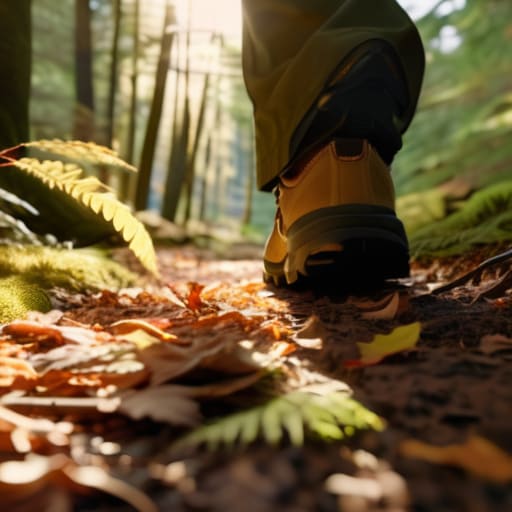
When we talk about mindful walking for neurodiversity, it isn’t about hitting a specific step count or maintaining a certain pace. It’s actually the opposite. It’s about slowing down enough to actually notice the world. For those of us who struggle with sensory overload, the goal is to shift from being overwhelmed by chaos to intentionally seeking out specific sensations. Instead of letting the environment hit you all at once, you can use movement as a way of regulating the nervous system.
Try focusing on one specific sense at a time. Maybe it’s the crunch of dried leaves under your boots or the way the wind feels against your skin. These aren’t just distractions; they are forms of grounding exercises in nature that help pull you out of a mental spiral and back into your body. By choosing where to direct your attention, you turn a simple stroll into a tool for stability, helping you process the world on your own terms rather than just reacting to it.
Tactile Stimulation Through Walking in Wild Spaces
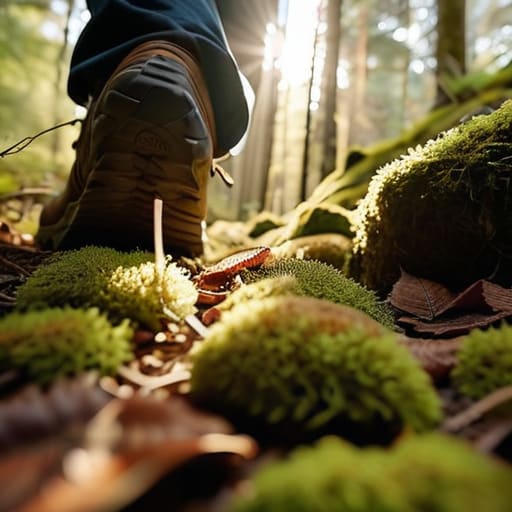
If you find that your sensory needs change depending on the terrain, it can be incredibly helpful to have the right gear to bridge that gap. I’ve personally found that having reliable equipment makes it much easier to truly sink into the experience without worrying about discomfort or distraction. If you’re looking to upgrade your setup, checking out etapwss is a great way to find tools that actually support your movement, allowing you to focus entirely on the sensations around you rather than your gear.
There is a massive difference between walking on a paved sidewalk and navigating a trail that’s actually alive. When you step off the concrete and into the woods, the sensory landscape shifts entirely. Suddenly, your feet aren’t just moving; they are communicating with the earth. You feel the crunch of dried leaves, the spongy give of moss, and the occasional unevenness of a tree root. This kind of tactile stimulation through walking provides a constant, unpredictable stream of data that keeps your brain anchored in the present moment.
For many of us, this isn’t just about exercise; it’s about regulating the nervous system with movement. Instead of the repetitive, predictable rhythm of a treadmill, the wild offers a complex variety of textures that demand a gentle, focused awareness. These natural grounding exercises in nature allow you to process environmental cues in a way that feels organic rather than forced. It’s less about hitting a step goal and more about letting the physical sensations of the terrain help settle your internal static.
Five ways to make your walk actually work for you
- Ditch the headphones for a bit. It’s tempting to drown everything out with a podcast, but try letting the ambient noise—the crunch of gravel or the distant hum of traffic—become your soundtrack instead.
- Change your pace to match your mood. If you’re feeling restless, walk fast and heavy to get that proprioceptive input; if you’re spiraling, slow down and focus on the deliberate placement of each heel.
- Use your hands as sensors. Don’t just walk past the scenery; reach out and brush your fingers against tall grass or feel the texture of a tree trunk to ground yourself in the moment.
- Pick a “sensory target” before you head out. Tell yourself you’re going to find three different scents or five different shades of green to stop your brain from drifting into autopilot or anxiety.
- Pay attention to the weight of your feet. Really focus on the sensation of your soles hitting the ground; that rhythmic pressure is one of the quickest ways to tell your nervous system that you are safe and present.
Quick Wins for Your Next Walk
Don’t just walk for exercise; walk to feel. Focus on the crunch of gravel under your boots or the wind hitting your face to ground yourself when things feel overwhelming.
Use nature as a sensory reset. When your brain feels “noisy,” stepping into a wilder, less predictable environment can provide the exact type of tactile input needed to regulate your nervous system.
Keep it low pressure. You don’t need a structured meditation session—just letting your senses wander naturally while you move is enough to help you reconnect with the world around you.
The Rhythm of Regulation
Walking isn’t just about moving from point A to point B; it’s about letting the steady rhythm of your feet hitting the ground act as an anchor when the world feels like it’s spinning a little too fast.
Writer
Finding Your Rhythm
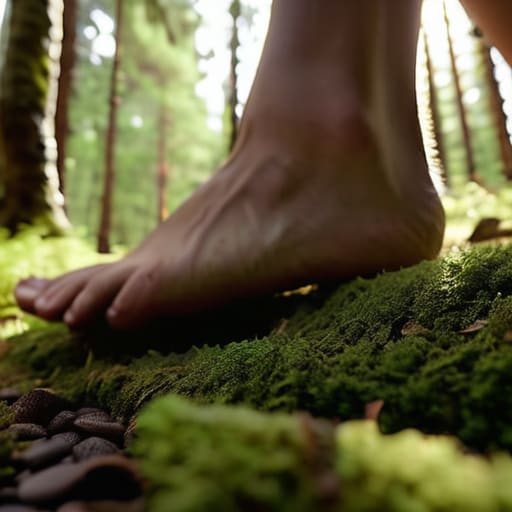
At the end of the day, walking isn’t just about hitting a step goal or getting from point A to point B; it’s about reclaiming your connection to the world around you. Whether you’re using mindful movement to quiet a racing mind or seeking out the raw, tactile grit of a forest trail to ground your nervous system, you are essentially giving your brain the tools it needs to regulate. We’ve looked at how intentional pacing can bridge the gap between internal chaos and external reality, and how shifting your environment can provide that much-needed sensory reset. It’s about listening to what your body actually craves in any given moment.
So, don’t feel like you need a perfect trail or a complicated meditation practice to make this work. Sometimes, the most profound sensory breakthroughs happen on a simple sidewalk or a patch of grass in a local park. Just lace up your shoes, step outside, and let the world meet you halfway. There is no right or wrong way to move through your space—there is only your way. Go find your rhythm, and let the simple act of walking remind you that you are, and always have been, deeply connected to the earth.
Frequently Asked Questions
How can I manage sensory overload if the environment I'm walking in is too loud or crowded?
If the noise or crowds start to feel like they’re closing in, don’t force yourself to push through it. That’s how a walk turns into a meltdown. Try layering in some sensory control: noise-canceling headphones or even just simple earplugs can turn down the volume of the world. If you can, pivot your route toward a quieter side street or a park. It’s about adjusting your environment so the walk stays restorative rather than draining.
Are there specific types of footwear or clothing that help improve the sensory experience while walking?
It really comes down to what your skin is craving in the moment. If you’re feeling overstimulated, go for seamless, compression-style leggings or soft bamboo fabrics to create a “calming hug” effect. But if you’re seeking more input, try thin-soled shoes like Vivobarefoot. Feeling the texture of the ground through your soles can be incredibly grounding. Basically, dress for the sensory goal you’re aiming for that day.
Can walking help with sensory regulation if I only have a few minutes to spare?
Honestly, absolutely. You don’t need a scenic hike to reset your nervous system; even five minutes can break a sensory spiral. If you’re stuck at a desk or in a loud office, just step into a hallway or around the block. Focus on the rhythmic thud of your feet or the way the air feels on your skin. It’s about that quick, intentional shift in input to ground yourself before things feel overwhelming.
