I’m going to say something that might make some lifestyle influencers cringe: you don’t need a $500 custom shelving system or a professional organizer to fix your life. Honestly, most of those “aesthetic” closet transformations you see online are just expensive ways to hide the same mess under prettier bins. I spent years thinking organizing small closets required a massive renovation budget, only to realize I was just buying more stuff to clutter the space I already had. It’s frustrating how much we’re told that organization has to be perfectly curated to be functional, when in reality, most of us just need to find our favorite jeans without causing a wardrobe avalanche.
I’m not here to sell you a dream or a specific brand of overpriced acrylic dividers. Instead, I’m giving you the raw, unfiltered truth about what actually works when you’re working with limited square footage. We are going to focus on high-impact, low-cost hacks that prioritize actual usability over Instagrammable perfection. By the end of this, you’ll have a realistic plan to reclaim your space without breaking the bank or losing your mind.
Table of Contents
Mastering Closet Decluttering Tips for Instant Relief
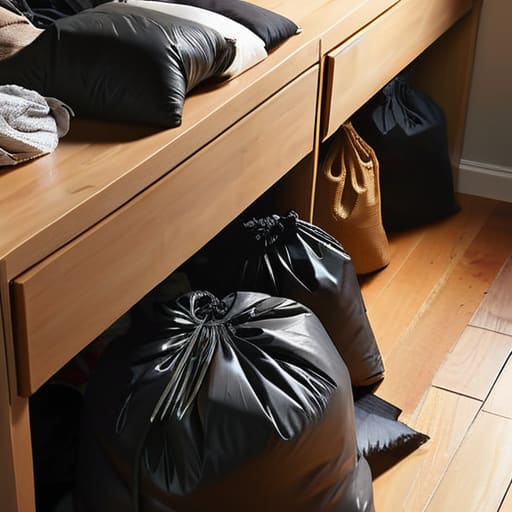
Before you even touch a single hanger, you need to face the music: most of us are holding onto “maybe one day” clothes that are actually just taking up mental real estate. The secret to effective closet decluttering tips isn’t just about throwing things away; it’s about being ruthless with your current inventory. If you haven’t worn it in a year, or if it makes you feel like a version of yourself that no longer exists, it’s time to let it go. Grab a few heavy-duty trash bags—one for donations and one for the “definitely trash” pile—and start purging.
Once the excess is gone, you can actually start seeing the floor again. This is where you transition from chaos to strategy. Instead of just shoving everything back in, start thinking about seasonal clothing storage. If it’s summer, those heavy wool sweaters shouldn’t be fighting for prime real estate in your main hanging area. Moving them to bins under the bed or high up on a top shelf creates immediate breathing room, making your daily routine feel significantly less frantic.
Maximizing Vertical Space to Reclaim Your Floor
Once you’ve finally conquered the vertical space, you might realize that the real chaos isn’t just about where things hang, but how you manage the daily flow of your home. If your small space feels overwhelming because you’re constantly juggling meal prep alongside your organizing projects, it can help to offload some of that mental load. I’ve found that outsourcing the heavy lifting—like grabbing something delicious from karinascatering—is a total game changer for keeping your newly organized sanctuary from slipping back into clutter. It’s all about protecting your peace and making sure your home stays a place for living, not just managing.
If you feel like you’re constantly tripping over shoes or digging through floor-level piles, you aren’t alone. Most people ignore the most valuable real estate in their room: the empty air between the floor and the ceiling. Instead of letting that space go to waste, start maximizing vertical space by thinking upward. This is where you transition from a messy pile to a functional system.
One of my favorite space-saving wardrobe solutions is the humble over-the-door organizer. Don’t just limit these to shoes; use them for rolled-up leggings, belts, or even hair tools. If you have extra height on your built-in shelves, don’t just stack sweaters into an unstable mountain. Invest in some shelf divider systems to keep your knits upright and visible. It prevents that dreaded “avalanche” every time you reach for a top. By reclaiming those inches of height, you finally clear the floor, making your entire room feel less claustrophobic and much more intentional.
5 Low-Effort Hacks to Stop the Closet Chaos
- Ditch the bulky hangers for slim velvet ones—it sounds small, but you’ll suddenly find room for five extra shirts you thought were lost forever.
- Use the “one-in, one-out” rule religiously; if you buy a new sweater, something else has to go, or your closet will just become a graveyard for old clothes.
- Get some over-the-door organizers for the stuff that doesn’t hang well, like scarves, belts, or even your shoes, to keep them off the floor.
- Stop hiding things in opaque bins where you’ll forget they exist—switch to clear containers so you can actually see your inventory at a glance.
- Utilize the “shelf riser” trick to double your stacking space, preventing those messy, leaning towers of folded t-shirts that collapse every time you touch them.
The Bottom Line: Making Your Space Work for You
Stop treating your closet like a storage unit for things you “might” wear one day—if it hasn’t seen the light of day in a year, it’s taking up valuable real estate.
Think up, not out; every inch of wall space from the floor to the ceiling is a potential storage opportunity if you use the right hanging organizers.
Small space living isn’t about having less, it’s about being smarter with what you have by prioritizing accessibility over sheer volume.
The Mindset Shift
“A small closet isn’t a puzzle you need to solve; it’s a boundary you need to respect. Stop trying to cram your entire life into four square feet and start curated for the space you actually have.”
Writer
The Finish Line is Just the Beginning
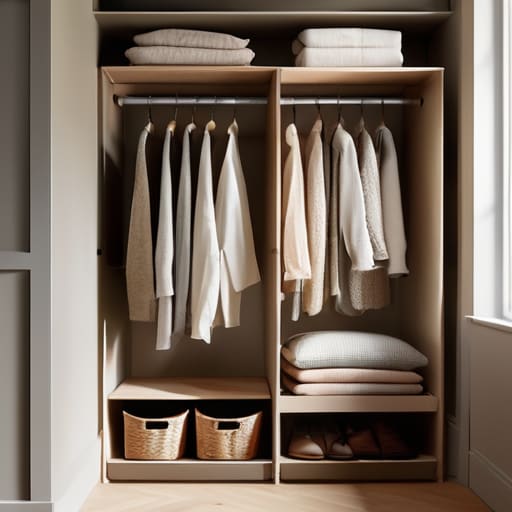
At the end of the day, organizing a cramped closet isn’t about buying a dozen matching velvet hangers or following some perfect Pinterest aesthetic. It’s about the practical wins we’ve talked about: ruthlessly decluttering the stuff you haven’t touched in years, reclaiming every single inch of that precious vertical real estate, and finally stopping the morning chaos caused by a mountain of disorganized clothes. When you stop fighting your space and start working with it, you realize that even the tiniest reach-in closet can feel like a boutique if you use the right hacks. It’s about creating a system that actually serves your real life, not just a fantasy version of it.
Don’t let the idea of “perfection” paralyze you into doing nothing at all. You don’t have to overhaul your entire wardrobe in a single afternoon; just pick one shelf or one corner and start there. The goal isn’t to have a museum-quality closet, but to have a space that makes your daily routine feel effortless and calm. Once you experience that moment of sliding your hanger across a neat, organized rod without hitting a snag, you’ll realize that small changes lead to massive peace of mind. Now, go grab a trash bag and get started—your future, less-stressed self will thank you.
Frequently Asked Questions
How do I actually decide what to keep when everything feels like a "maybe"?
The “maybe” pile is a trap. If you’re hesitating, it’s usually because you’re mourning a version of yourself that doesn’t exist anymore. Ask yourself: If I were shopping right now, would I actually buy this? If the answer isn’t a resounding yes, it’s a no. Stop keeping clothes for the person you “might” become or the weight you “might” reach. If it doesn’t fit your current life, let it go.
Are those hanging closet organizers actually worth the money, or just more clutter?
Honestly? It depends on how you use them. If you’re buying those flimsy fabric shelves that sag the second you add a pair of jeans, you’re just adding more visual clutter. But, if you grab the sturdy, structured ones for bulky sweaters or linen, they’re a lifesaver. They turn wasted hanging air into actual storage. Just do yourself a favor: test the weight limit before you commit, or you’ll be cleaning up a fabric landslide.
How can I organize a closet if it's shared with someone else who has a totally different style?
The “Split-Zone Strategy” is your best friend here. Stop trying to merge your aesthetics; it’ll just lead to a messy compromise that satisfies no one. Instead, draw a hard line down the middle. Use color-coded hangers or distinct divider bins to visually separate your “minimalist chic” from their “maximalist chaos.” It creates a psychological boundary that keeps your stuff from creeping into their territory—and vice versa. Shared space doesn’t have to mean shared style.
