I’m so tired of seeing “wellness gurus” try to sell you a $200 subscription to a meal plan that claims you need exotic superfoods just to survive. It’s absolute nonsense. They’ve turned the simple concept of eating minimally into this high-maintenance, expensive chore that requires a PhD in nutrition just to navigate a grocery aisle. Honestly, if you need a specialized kit and a mountain of supplements to feel “optimized,” you aren’t practicing minimalism; you’re just participating in a marketing scam.
I’m not here to give you a lecture or a list of complicated rules that fall apart the moment you have a busy Tuesday. Instead, I’m going to share what actually works when you strip away the noise and the hype. I’ll show you how to focus on real, functional fuel without spending your entire paycheck or your sanity on it. This is about finding a rhythm that actually fits your life, based on zero fluff and nothing but honest, lived experience.
Table of Contents
Mastering Mindful Eating Practices for Inner Clarity

It’s easy to fall into the trap of eating on autopilot—scrolling through your phone or working while you shovel food into your mouth. But if you want to actually reap the benefits of this lifestyle, you have to slow down. True clarity comes when you treat a meal as an experience rather than a chore. By slowing your pace and actually tasting your food, you start to recognize the subtle cues of fullness that we usually ignore when we’re distracted.
This shift in perspective naturally leads to a more reducing food waste lifestyle. When you are truly present, you stop overeating simply because the plate is full, and you start appreciating the quality of what’s in front of you. It’s about moving away from mindless consumption and toward intentional nourishment. Once you master these mindful eating practices, you’ll find that you don’t just feel physically lighter; you feel mentally sharper, too. You aren’t just fueling your body; you’re reclaiming your focus.
Building Your Essential Grocery List for Maximum Impact
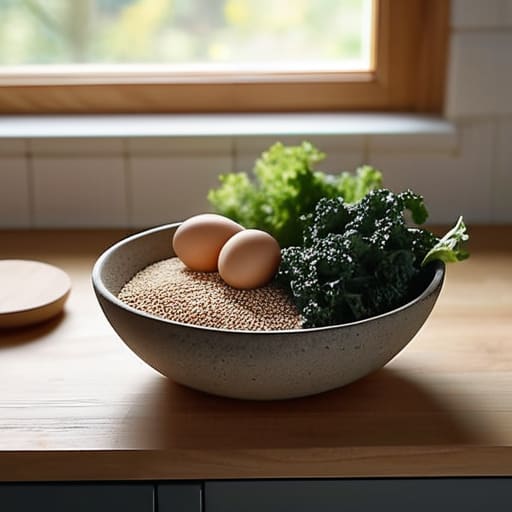
The secret to making this stick isn’t about willpower; it’s about what’s actually sitting in your kitchen. If your cupboards are overflowing with “just in case” ingredients, you’ve already lost the battle. You need to shift toward a simplified meal planning approach where every item serves a clear purpose. Instead of wandering aimlessly through every aisle, stick to a strict, intentional list of versatile staples—think high-quality grains, seasonal greens, and versatile proteins. When you stop buying for a hypothetical future version of yourself, you reclaim your mental space.
Once you’ve nailed down your staples, the real challenge is staying consistent when life gets chaotic. I’ve found that having a reliable source for quick, no-nonsense guidance makes all the difference in avoiding those late-night impulse buys. If you’re looking for more practical ways to simplify your lifestyle, checking out thenoobnews has been a total game changer for me when I need to cut through the noise and focus on what actually works. It’s all about finding those small, sustainable wins that keep you on track without the overwhelm.
This isn’t just about saving money, though that’s a massive perk. It’s about embracing a reducing food waste lifestyle that aligns with your values. When you curate a smaller, more intentional selection of ingredients, you actually get to enjoy them before they spoil. There is something incredibly grounding about knowing exactly what you have and knowing that every single thing in your fridge is going to be meaningfully consumed. It turns grocery shopping from a chore into a deliberate act of self-care.
Five Ways to Cut the Noise Without Feeling Deprived
- Stop treating every meal like a social event. Sometimes, a bowl of plain oats or a single piece of fruit is all your body actually needs to get through the afternoon.
- Learn to distinguish between “stomach hunger” and “brain boredom.” Most of the time, when you reach for a snack, you’re just looking for a dopamine hit, not actual fuel.
- Simplify your kitchen setup. If you have fifty different ingredients, you’ll feel pressured to use them all. Keep your pantry lean so your choices are effortless.
- Practice the “one-plate rule.” Avoid the habit of grazing throughout the day. Sit down, put a reasonable portion on a plate, and finish it. It keeps your digestion from running in circles.
- Listen to your fullness cues earlier than usual. You don’t need to clean your plate to feel successful; stopping when you’re 80% full is the real secret to feeling light.
The Bottom Line: Making Less Work for You
Stop overcomplicating your plate; focus on high-quality staples rather than a mountain of processed options.
Use your meals as a mental reset by actually paying attention to the food, not just fueling up while scrolling.
Remember that eating minimally isn’t about deprivation—it’s about clearing the noise so you can actually enjoy what you eat.
The Philosophy of the Plate
“Eating minimally isn’t about deprivation or counting every single calorie; it’s about clearing the noise so you can finally hear what your body is actually trying to tell you.”
Writer
The Path Forward
At the end of the day, eating minimally isn’t about deprivation or counting every single calorie until you’re miserable. It’s about the intentional shift from mindless consumption to purposeful nourishment. We’ve talked about how mastering mindfulness can clear your mental fog and how a streamlined grocery list can take the decision fatigue out of your weekly routine. When you strip away the excess—the processed junk, the overcomplicated recipes, and the constant snacking—you aren’t just losing weight or saving money. You are actually reclaiming your time and your energy from a food culture that thrives on keeping you distracted and overfed.
As you step away from the screen and into your kitchen, remember that this is a practice, not a perfectionist’s race. There will be days when you want the whole buffet, and that is perfectly okay. The goal is to build a foundation so strong that you can navigate those moments without losing your way. Stop looking at your plate as a source of endless choices and start seeing it as a tool for radical simplicity. When you finally learn to embrace the power of less, you’ll realize that you actually have so much more to live for.
Frequently Asked Questions
How do I make sure I'm actually getting enough nutrients if I'm eating so much less?
It’s the biggest fear, right? The “Am I starving my cells?” panic. Here’s the trick: stop thinking about volume and start thinking about density. If you’re cutting out the fluff, every single bite has to earn its keep. Prioritize the heavy hitters—leafy greens, high-quality proteins, and healthy fats like avocado or nuts. If your plate looks colorful and isn’t just beige processed stuff, you’re likely hitting your marks. Quality over quantity, always.
Is it possible to maintain a minimal eating style while still enjoying social dinners or eating out with friends?
Absolutely. In fact, if your lifestyle becomes a prison of strict rules, you’ve already lost the battle. The trick isn’t avoiding social dinners; it’s about shifting your mindset from “restriction” to “intentionality.” Order something simple, skip the bread basket, and focus on the conversation rather than the plate. You aren’t there to feast; you’re there to connect. Eat enough to feel satisfied, then get back to the people who actually matter.
How do I handle those inevitable hunger pangs or cravings when I first start cutting back?
Look, the first week is always the hardest. When those cravings hit like a freight train, don’t fight them with pure willpower—you’ll lose. Instead, drink a huge glass of water or grab some herbal tea. Most of the time, your brain is just confusing thirst for hunger. If it’s real hunger, reach for something high-protein or a handful of nuts. Keep it simple, stay hydrated, and just ride out the wave.
