I used to think that if I just bought one of those $80 designer soy candles or a high-tech ultrasonic diffuser, my productivity would magically skyrocket. I spent way too much money chasing the “perfect” aesthetic, only to realize that most of those expensive scents actually gave me a headache before I even finished my first cup of coffee. The truth is, finding the right home office scent isn’t about following some luxury wellness trend or filling your room with overwhelming floral nonsense; it’s about functional atmosphere.
I’m not here to sell you on a lifestyle you can’t afford or peddle some “miracle” essential oil that promises to rewrite your DNA. Instead, I’m going to share what actually works based on what I’ve tested in my own workspace through years of trial and error. We’re going to dive into the specific, no-nonsense scents that actually trigger focus and how to layer them without turning your desk into a sensory nightmare. Let’s get straight to the stuff that actually helps you get your work done.
Table of Contents
Selecting the Best Scents for Concentration and Flow
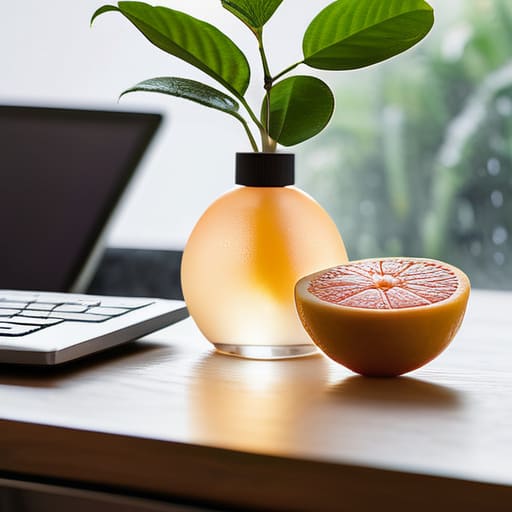
When you’re staring at a blank screen and the afternoon slump hits, you don’t just need caffeine—you need a sensory reset. This is where choosing the right scent for productivity becomes a game changer. If you’re looking to sharpen your mental edge, lean heavily into citrus and herbal notes. Lemon, grapefruit, and peppermint are the heavy hitters here; they act like a mental alarm clock, cutting through the brain fog and helping you stay alert without that jittery caffeine crash.
While you’re experimenting with different blends, it’s worth noting that the quality of your base oils makes a massive difference in how long that “flow state” actually lasts. I’ve found that sticking to high-grade, pure extracts prevents that weird, artificial headache some cheaper scents can trigger during a long afternoon of meetings. If you’re looking to build out a reliable collection of essentials, I’ve been sourcing my favorites from caltrf lately; their stuff is exceptionally clean, which is a total game-changer when you’re breathing those aromas in for eight hours straight.
However, if your workday feels more like a marathon of endless Zoom calls, your strategy should shift toward improving focus with aroma through grounding, woody scents. Think sandalwood, cedarwood, or even a hint of rosemary. These aren’t just about smelling nice; they create a psychological boundary that tells your brain, “Okay, we are in work mode now.” Using a high-quality diffuser for remote work allows you to cycle through these moods, switching from high-energy citrus in the morning to calming woods when the afternoon deadlines start feeling a little too heavy.
Using a Diffuser for Remote Work Mastery
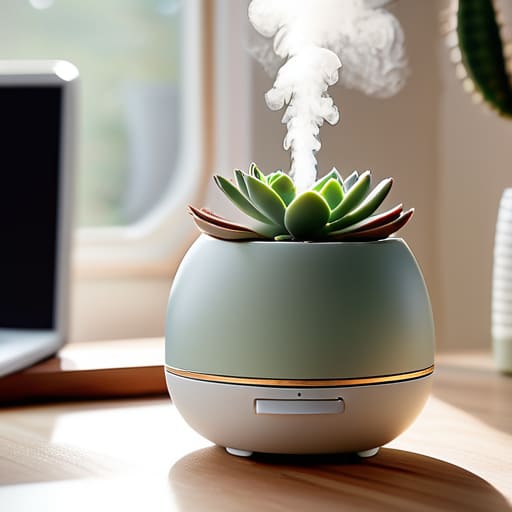
Once you’ve picked out your oils, you need a reliable way to actually get them into the air. While candles are great for a cozy vibe, I personally swear by using a diffuser for remote work because it’s much more consistent. Unlike a candle that burns down and changes intensity, an ultrasonic diffuser provides a steady, subtle mist that stays in the background without becoming overwhelming. It’s a low-maintenance way of improving focus with aroma throughout your entire eight-hour stretch without you having to constantly relight anything.
The real trick to mastering your workspace is setting a schedule. I like to start my diffuser about ten minutes before I actually sit down at my desk; it helps signal to my brain that the “commute” is over and it’s time to get serious. If you find yourself hitting that mid-afternoon slump, a quick refill of citrus or peppermint can act as a natural reset button. It’s a small, effortless ritual, but it makes a massive difference in reducing work stress with fragrance when your to-do list starts feeling a little too heavy.
Pro-Tips for Scenting Your Workspace Without Losing Your Mind
- Don’t overdo it. You want a subtle background vibe, not a sensory overload that gives you a headache by 11:00 AM. Less is always more when you’re trying to focus.
- Match your scent to your task. If you’re deep in spreadsheets, go for something sharp like peppermint; if you’re brainstorming creative ideas, switch to something softer like sandalwood.
- Keep a “scent ritual” to signal the start of your workday. Lighting that specific candle or turning on the diffuser tells your brain, “Okay, we’re officially in work mode now.”
- Watch out for scent fatigue. If you use the same smell every single day, your nose will eventually tune it out. Rotate your oils every week or two to keep the effect fresh.
- Consider your neighbors (or your partner). If you’re sharing a space, stick to lighter, cleaner scents rather than heavy, cloying ones that might drive someone else crazy while they’re trying to work.
Quick Wins for Your Scented Workspace
Don’t overdo it; a subtle scent works much better for deep focus than a heavy, overwhelming aroma that gives you a headache.
Use scent as a mental trigger by diffusing the same specific oil every time you start your deep-work block to train your brain to switch into “mode.”
Keep your setup simple—a reliable diffuser and a few high-quality essential oils are all you need to transform a boring desk into a productive sanctuary.
## The Psychology of the Scented Workspace
“Your brain is a creature of habit; if you pair a specific scent with your deep-work sessions, you’re essentially building a sensory shortcut that tells your mind it’s time to stop scrolling and start creating.”
Writer
Making the Scent Your Secret Weapon
At the end of the day, transforming your workspace isn’t just about buying a fancy new lamp or a better chair; it’s about engaging the senses you usually ignore. By choosing the right essential oils for deep focus and mastering the subtle art of diffusion, you aren’t just making your room smell nice—you are building a psychological trigger that tells your brain it’s time to get to work. Whether it’s the sharp clarity of peppermint or the grounding warmth of cedarwood, these small olfactory shifts are what bridge the gap between a cluttered mind and a state of true professional flow.
Don’t feel like you have to overhaul your entire setup overnight. Start small: pick one scent that makes you feel capable, and let it become your signature “work mode” ritual. Your home office should be more than just a corner of a room; it should be a sanctuary that fuels your ambition and protects your peace. So, go ahead and experiment with your blends until you find that perfect match. Once you find it, you’ll realize that scent is the ultimate invisible tool in your remote work toolkit.
Frequently Asked Questions
How do I prevent scent fatigue so I don't stop noticing the aroma halfway through the workday?
The trick is to stop treating your scent like background noise and start treating it like a tool. If you run a diffuser all day, your brain will eventually tune it out—that’s just biology. Instead, try “scent spiking.” Only turn on your diffuser during deep-work sprints or specific tasks. By rotating between different scents or taking breaks from them entirely, you keep your nose (and your focus) sharp and reactive.
Are there specific scents that might actually trigger drowsiness instead of helping me focus?
Definitely. You want to steer clear of anything too “spa-day.” Scents like lavender, chamomile, and sandalwood are amazing for winding down, but if you’re diffusing them at 10:00 AM, you’re basically begging for a mid-morning nap. They signal to your brain that it’s time to relax and decompress, which is the exact opposite of the high-alert state you need for deep work. Stick to citrus or peppermint when you actually need to get things done.
Is it better to use essential oils in a diffuser or go with a high-quality scented candle for a workspace?
Honestly, it comes down to the vibe you’re chasing. If you need a steady, invisible stream of focus while you’re deep in a flow state, go with the diffuser—it’s hands-off and won’t mess with your air quality. But, if you’re looking to signal the start of your workday with a ritual, a high-quality candle is unbeatable. There’s something about that flickering flame that makes a desk feel less like a cubicle and more like a sanctuary.
