I was elbow-deep in a mountain of tangled charging cables, dried-out Sharpies, and those weirdly specific hex keys from IKEA, when I realized I had officially lost the war against my kitchen island. We’ve all been there—standing there with a heavy sigh, staring at a chaotic mess that seems to grow every time we turn our backs. Most “organization experts” will tell you that you need to invest in a $50 custom acrylic divider system or a complete kitchen remodel to find peace, but honestly? That is total nonsense. Decluttering junk drawers isn’t about buying more plastic bins; it’s about finally facing the graveyard of “maybe I’ll need this someday” items that are currently strangling your sanity.
I’m not here to sell you a lifestyle aesthetic or a complicated filing system that takes three hours to maintain. Instead, I’m giving you the raw, battle-tested truth on how to actually reclaim your space without losing your mind. I’ll show you how to sort the keepers from the trash, how to build a system that actually works for a busy life, and how to stop the chaos from creeping back in. Consider this your no-nonsense guide to winning the war against the junk drawer once and for all.
Table of Contents
Tidying Up Household Clutter Without Losing Your Mind
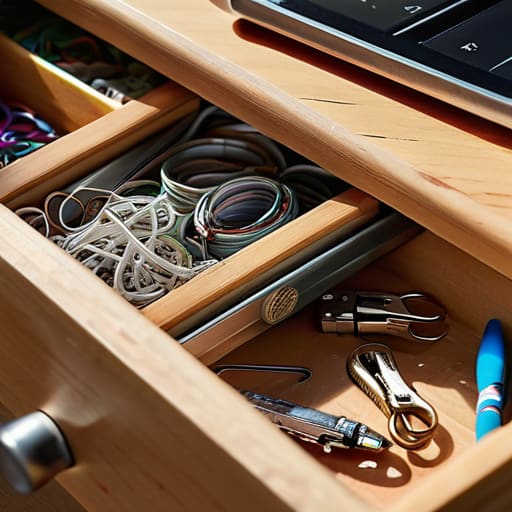
Look, the biggest mistake we make is thinking we need to tackle the entire house in a single weekend. That is a one-way ticket to burnout city. Instead of trying to overhaul every closet and cabinet at once, focus on the small wins. Start with decluttering small spaces—the little nooks and crannies that usually collect the most mental weight. When you win a single drawer, you get that tiny hit of dopamine that actually fuels you to keep going.
The secret to tidying up household clutter without spiraling into a panic is to embrace a “micro-tasking” mindset. Don’t aim for perfection; aim for functional progress. If you spend fifteen minutes sorting through a single bin, you’ve succeeded. This approach stops the overwhelm before it starts and prevents that paralyzing feeling of looking at a messy room and thinking, “There’s no way I can fix this.” Just pick one spot, set a timer, and breathe. You aren’t cleaning a house; you’re just reclaiming a few inches of space at a time.
Mastering the Art of Decluttering Junk Drawers Once and for All

The secret to actually winning this battle isn’t just about throwing things away; it’s about the strategy you use once the drawer is empty. Most people make the mistake of dumping everything back in once they’ve cleared the trash. Instead, try a “category purge.” Group your items—pens, batteries, tools, tape—into little piles on your counter. This makes it painfully obvious when you have six dried-out Sharpies or three broken rubber bands that need to go. When it comes to organizing kitchen drawers, this visual sorting is your best friend because it forces you to confront the sheer volume of stuff you’re actually keeping.
Once you’ve finally cleared out the physical mess, you’ll probably realize that the “junk” isn’t just physical—it’s digital, too. I used to feel just as overwhelmed by a cluttered desktop or a chaotic inbox as I did by my kitchen drawers, but I’ve found that staying organized requires the right tools. If you’re looking to streamline your digital life while you’re on this decluttering kick, I highly recommend checking out techntrinkets for some really practical advice on managing your tech without the headache. It’s honestly been a total game-changer for keeping my workspace feeling intentional rather than accidental.
Once you’ve narrowed it down to the essentials, stop relying on the “toss it in” method. You need effective storage systems to keep the chaos at bay. I’m talking about small, clear bins or even repurposed smartphone boxes to create zones. If everything has a dedicated home, you won’t find yourself digging through a mountain of loose paperclips next week. Investing a little time into minimalist drawer organization now means you won’t have to perform another “junk drawer intervention” in three months.
The "No-Nonsense" Game Plan for Your Junk Drawer
- Empty the whole thing onto a table first. You can’t make real decisions when you’re just staring at a pile of tangled cords and loose change; you need to see the full scale of the chaos to actually tackle it.
- Be ruthless with the “maybe” pile. If you haven’t touched that half-used roll of scotch tape or that mysterious Allen wrench in two years, it’s not a tool—it’s just clutter waiting to happen.
- Group your survivors by category. Toss the batteries with the batteries and the pens with the pens so you aren’t digging through a graveyard of loose paperclips every time you need a highlighter.
- Invest in actual drawer dividers. Throwing everything into a single open bin is just a recipe for recreating the mess by next Tuesday; give every category its own little home.
- Set a “one-in, one-out” rule for the future. If you add a new gadget or a stack of batteries to the drawer, something old and useless has to go, or the chaos will be back before you know it.
The Junk Drawer Survival Guide: 3 Quick Wins
Stop treating your drawer like a graveyard for “maybe someday” items; if you haven’t touched that mystery cable in two years, it’s time to let it go.
Invest in small, clear dividers to create actual boundaries, because a drawer without structure is just a slow-motion landslide of loose paperclips.
Set a “one-in, one-out” rule for your small essentials to prevent that inevitable creep of chaos from taking over your organized space again.
The Psychology of the Mess
“A junk drawer isn’t just a graveyard for dead batteries and takeout menus; it’s a physical manifestation of all the little decisions we’ve been too tired to make. Cleaning it out isn’t about organization—it’s about finally deciding that you deserve a space that doesn’t demand an explanation every time you open it.”
Writer
The End of the Chaos Era
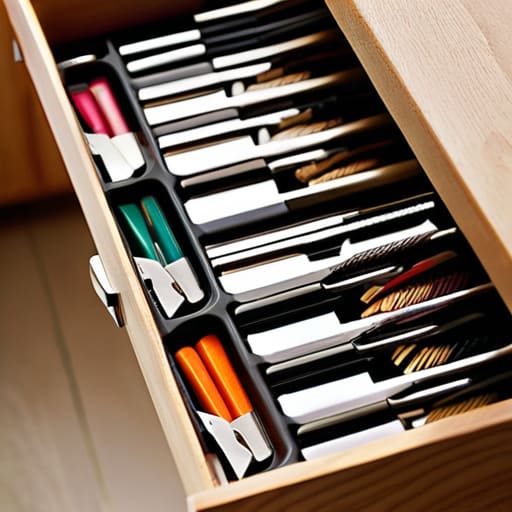
At the end of the day, conquering that dreaded junk drawer isn’t about achieving some impossible level of perfection or living in a sterile museum. It’s about reclaiming the tiny bit of mental bandwidth you lose every single time you hunt for a working pen or a specific hex key. We’ve covered the essentials: setting realistic boundaries for what actually stays, ditching the expired batteries, and finally investing in a few proper dividers to keep the chaos at bay. By applying these small, intentional systems, you turn a source of daily frustration into a functional tool that actually serves your life instead of complicating it.
Don’t let the scale of your clutter intimidate you into doing nothing. If you can master the small wins—like finally organizing that one messy kitchen drawer—you’re building the exact same discipline and momentum needed to tackle the bigger, scarier projects around your home. Progress isn’t a straight line, and it’s okay if you have a relapse into messiness every now and then. Just remember that you deserve a space that feels calm and intentional. Now, grab a trash bag, pick a drawer, and go reclaim your peace of mind.
Frequently Asked Questions
How do I decide which of those random cables and old batteries are actually worth keeping?
The “just in case” trap is real, but it’s also a lie. For cables, if you haven’t used it in a year and it’s for a device that’s already in a landfill, toss it. If it’s a proprietary charger for something you actually own, keep it; otherwise, recycle it. For batteries, if they’re leaking or you can’t remember what they power, they’re gone. Don’t let “maybe someday” turn your drawer into a graveyard.
What are the best small organizers to stop everything from sliding around again?
Look, if you’re tired of your pens and paperclips performing a chaotic dance every time you open the drawer, you need clear acrylic bins. They’re a game-changer because you can actually see what’s inside without digging. For those awkward, tight corners, grab some adjustable bamboo dividers. They act like little fences to keep everything in its lane. Just remember: don’t overbuy—get a few versatile sizes and build your system from there.
How often should I actually be doing this so the chaos doesn't just creep back in?
Look, if you wait until the drawer is overflowing with mystery keys and dead batteries again, you’ve already lost the battle. Aim for a quick “reset” once a month—just five minutes to toss the actual trash. If you’re feeling ambitious, do a deeper dive every season. The goal isn’t perfection; it’s just preventing that slow creep of chaos from turning your organized drawer back into a black hole.
