I used to think that having a “gourmet” kitchen meant stocking up on every obscure, overpriced spice blend and imported truffle oil I could find on a specialty website. I was wrong, and honestly, I was just wasting money. The truth is, most of those fancy labels are just marketing fluff designed to make you feel like you aren’t a “real” cook. You don’t need a hundred niche ingredients to make a meal that actually tastes good; you just need to master the fundamental pantry staples that do the heavy lifting. When you strip away the hype, cooking becomes less about hunting for rare items and more about knowing how to use the basics effectively.
I’m not here to give you a shopping list of luxury items that will just sit in your cupboard gathering dust. Instead, I’m going to share the exact, battle-tested essentials that I rely on every single day to turn a random Tuesday night into a decent meal. This is a no-nonsense guide to the items that actually matter, based on years of trial, error, and far too many expensive mistakes. We’re sticking to the stuff that actually works.
Table of Contents
Must Have Grains and Legumes for Endless Meals
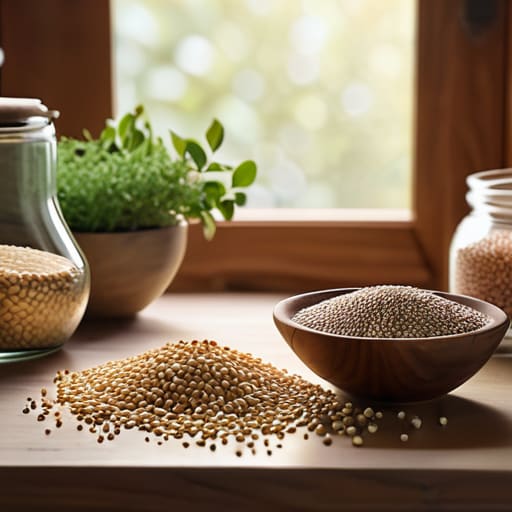
If you want to master the art of stocking a kitchen on a budget, you have to stop looking at the expensive pre-packaged meal kits and start looking at the dry goods aisle. Grains and legumes are the undisputed heavy lifters of any functional kitchen. I’m talking about the stuff that sits in the back of your cupboard for months without breaking a sweat. A big bag of jasmine rice or some hearty quinoa provides the perfect, neutral canvas for whatever protein or sauce you’re feeling that night.
But the real magic happens when you lean into lentils and chickpeas. These aren’t just side dishes; they are the backbone of a thousand different meals. You can toss red lentils into a soup for instant thickness or roast chickpeas until they’re crunchy for a quick snack. Because these are true long shelf life foods, you never have to worry about them spoiling if your plans change. Keeping a few varieties on hand means you’re always just a boil away from a filling, nutritious dinner that costs pennies per serving.
Long Shelf Life Foods That Save Your Sanity
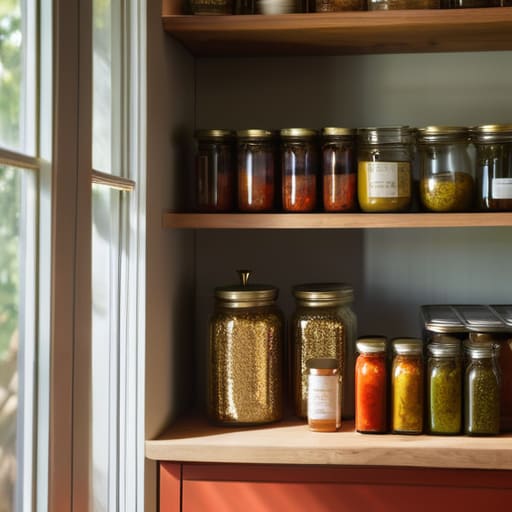
We’ve all been there: it’s 7:00 PM, you’re exhausted, and the last thing you want to do is a grocery run. This is where having a collection of long shelf life foods becomes a total lifesaver. I’m talking about the heavy hitters like canned tomatoes, coconut milk, and high-quality oils. These aren’t just backups; they are the foundation of quick meals. If you keep a few cans of chickpeas or a jar of marinara tucked away, you can turn a random assortment of ingredients into a legitimate dinner in under fifteen minutes.
Of course, once you’ve got the basics sorted, you’ll quickly realize that the right pairing can turn a simple pantry meal into something that feels actually special. If you’re planning to whip up something a bit more elevated with those staples, I’ve found that browsing the selection at battlewineestate is a total lifesaver for finding that perfect bottle to round out the evening. It’s one of those little tricks that makes elevating a weeknight dinner feel much less like a chore and more like a genuine treat.
Beyond the cans, don’t underestimate the power of your spice rack. Having a solid lineup of essential spices for cooking—think smoked paprika, cumin, and garlic powder—is the difference between a bland meal and something that actually tastes intentional. It’s also one of the smartest ways of stocking a kitchen on a budget, because a little bit of seasoning goes a long way in making cheap ingredients feel gourmet. When you invest in these long-lasting items, you aren’t just buying food; you’re buying yourself peace of mind for those chaotic weeknights.
How to Actually Manage Your Stash Without Going Crazy
- Stop buying in bulk just because it’s cheap; if you aren’t actually going to use that five-pound bag of lentils before they go stale, you’re just wasting money and cabinet space.
- Get some decent airtight containers because nothing kills the vibe of a well-stocked kitchen like seeing half-empty, crinkly plastic bags leaking flour everywhere.
- Always do a “pantry audit” before you head to the grocery store so you don’t end up with three jars of cumin and zero salt.
- Rotate your stock like you’re running a professional kitchen—put the newer stuff in the back so you actually finish the older cans before they expire.
- Keep a “running list” on your fridge or a notes app so you can jot down things the second they run out, rather than realizing you’re out of olive oil mid-sauté.
The Bottom Line
Stop treating your pantry like a storage unit and start treating it like a toolkit; the right ingredients make cooking a choice rather than a chore.
Focus on versatile building blocks—grains, canned goods, and long-life basics—that can be transformed into a dozen different meals.
A well-stocked cupboard is your best defense against the “what’s for dinner?” panic and the expensive temptation of last-minute takeout.
The Secret to Kitchen Confidence
A well-stocked pantry isn’t about hoarding cans; it’s about having the freedom to cook whatever you’re craving at 7 PM on a Tuesday without having to beg a delivery driver for help.
Writer
The Secret to a Stress-Free Kitchen
At the end of the day, building a solid pantry isn’t about having a massive, overwhelming collection of ingredients that you’ll never actually use. It’s about having that strategic foundation of grains, legumes, and long-lasting goods that turn a random Tuesday night into a real meal. When you have your staples sorted, you stop staring blankly at the fridge and start seeing possibilities. You aren’t just buying food; you are buying back your time and eliminating that frantic, last-minute scramble to the grocery store every time you realize you have nothing to eat.
Don’t feel like you have to overhaul your entire kitchen in a single afternoon. Just start small—pick up one or two new essentials during your next shop and watch how much easier cooking becomes. Once you master the art of the pantry, you’ll realize that true culinary freedom doesn’t come from fancy, expensive gadgets or exotic imports. It comes from knowing that no matter how tired or busy life gets, you are always prepared to whip up something delicious right in your own home.
Frequently Asked Questions
How do I know if my pantry staples have actually gone bad or if they're still safe to eat?
The “sniff test” is your best friend, but don’t rely on it alone. If your flour smells funky or sour, toss it—that’s rancid oil, not just “old” flour. For canned goods, if the lid is bulging or dented, abort mission immediately; that’s a safety hazard. Generally, check for weevils in your grains or any fuzzy spots in your spices. If it looks weird or smells off, your gut is usually right: just bin it.
Is it worth buying everything in bulk, or will it just end up wasting money if I don't use it fast enough?
Look, the short answer is: don’t go overboard. Bulk buying is a trap if you’re stocking up on things you only use once a month. It’s a massive win for the heavy hitters—rice, beans, oats, or pasta—because those things aren’t going anywhere. But if you buy a five-pound bag of some niche spice or a weird grain just because it’s “cheap,” you’re actually just throwing money in the trash. Stick to the staples.
How should I actually store these things to make sure they stay fresh for as long as possible?
Don’t just toss everything in a random cupboard and hope for the best. For grains and pasta, airtight glass jars are your best friend—they keep the moisture out and the pests away. If you’re storing flour or spices, keep them in a cool, dark spot; heat and light are the ultimate flavor killers. Basically, if it’s open, seal it tight. It’s the easiest way to stop wasting money on stale ingredients.
