Let’s be real: you don’t need a $200 designer yoga mat or a subscription to some zen-infused app to actually fix your body. I am so tired of seeing these “influencers” claim that you need a perfect, hour-long ritual to see results. Honestly, most of that high-production wellness fluff is just noise designed to make you feel like you’re doing it wrong. If you’re only carving out time for weekend stretching because you feel like your back is turning into a piece of dry driftwood, you don’t need a lifestyle overhaul—you just need to move.
I’m not here to sell you on a spiritual journey or promise you instant enlightenment. What I am going to give you is a no-nonsense toolkit of movements that actually work for people with real lives, messy schedules, and tight hamstrings. We’re going to skip the fluff and focus on the specific, high-impact stretches that will help you actually feel human again by Monday morning. No hype, no expensive gear, just straight-to-the-point advice that sticks.
Table of Contents
A Full Body Mobility Routine to Undo the Week
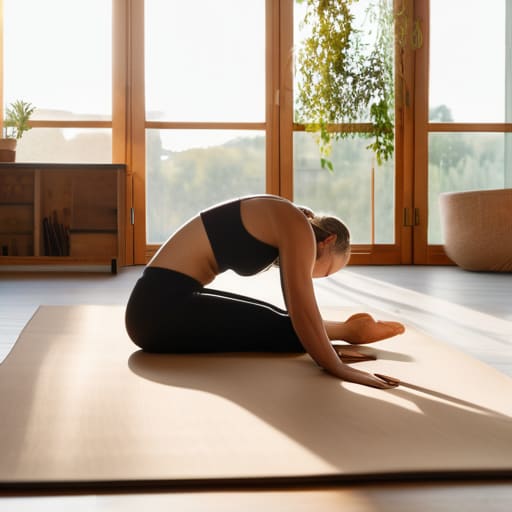
Instead of rushing through a frantic gym session, try approaching this as a slow, intentional full body mobility routine designed to shake off the sedentary grind of the work week. Start by dropping into a deep child’s pose, letting your forehead touch the mat to signal to your nervous system that the grind is officially over. From there, transition into some gentle cat-cow movements. It’s not about hitting a specific pose perfectly; it’s about reclaiming your space and feeling where your body is actually holding onto tension.
As you move through the sequence, focus on dynamic movements rather than just holding static poses. Incorporating a bit of a weekend yoga flow can work wonders for opening up tight hips and a rounded upper back—those two areas that usually pay the highest price for sitting at a desk. Don’t force anything. If a movement feels tight, breathe into it. The goal here is improving range of motion in a way that feels restorative rather than punishing, ensuring you actually feel refreshed when Monday rolls around.
Stress Relief Through Stretching for Total Mental Clarity
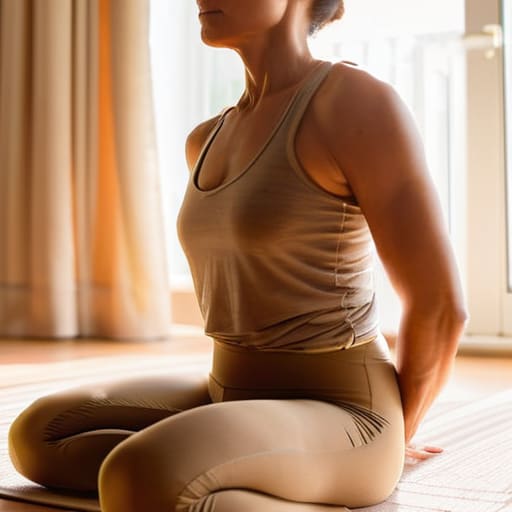
We often treat our bodies like machines that just need to be “fixed” with a few movements, but we forget that physical tension is usually just stored-up mental noise. When you’ve spent forty hours hunched over a laptop or grinding through back-to-back meetings, that tightness in your jaw or shoulders isn’t just muscular; it’s emotional. Using stress relief through stretching isn’t about hitting a new personal best in flexibility; it’s about signaling to your nervous system that the work week is officially over and it is finally safe to decompress.
Instead of rushing through a frantic workout, try slowing everything down. Focus on long, rhythmic breaths as you move through a gentle weekend yoga flow, letting the tension melt away with every exhale. When you stop fighting against the tightness and instead lean into it, you’ll notice a shift in your mental state. It’s less about the physical stretch and more about creating a mental clearing—a quiet space where the frantic energy of the week can finally settle into something peaceful.
A Few Little Hacks to Make Your Sessions Actually Stick
- Stop treating it like a chore. If you try to force a rigid, 30-minute routine when you’re exhausted, you’ll just end up skipping it. Even five minutes of mindful movement while your coffee brews counts as a win.
- Ditch the phone. It’s so easy to scroll through Instagram while you’re in a pigeon pose, but you aren’t actually relaxing if your brain is still firing on all cylinders. Leave the screen in the other room and just breathe.
- Listen to your body, not the timer. If a stretch feels “good-sore,” keep going. If it feels sharp or weirdly tense, back off immediately. There’s a massive difference between productive tension and actually hurting yourself.
- Use props so you don’t have to work so hard. You don’t need fancy yoga blocks; just grab a firm pillow or a thick book. It helps you sink deeper into the stretch without your muscles constantly fighting to stay stable.
- Pair it with your favorite ritual. Whether it’s a specific lo-fi playlist or lighting that one expensive candle you’ve been saving, give your brain a sensory signal that “work mode” is officially over and “recovery mode” has begun.
The Bottom Line
Don’t treat stretching like a chore on your to-do list; view it as a necessary reset to stop your body from feeling like a crumpled piece of paper by Monday morning.
Focus on the connection between your physical tension and your mental state—loosening your hips and shoulders often does more for your stress levels than a meditation app ever could.
Consistency beats intensity every single time, so even five minutes of mindful movement is better than waiting for a perfect hour you’ll never actually find.
## The Real Purpose of the Stretch
“Weekend stretching isn’t about hitting a perfect pose for a photo; it’s about finally giving your body permission to stop holding its breath and actually inhabit itself again.”
Writer
Making It Stick

If you find that your mind is still racing even after you’ve finished your physical routine, I’ve found that changing your environment is often the missing piece of the puzzle. Sometimes, you just need to step away from the screens and the city noise to truly reset. I’ve been leaning heavily on cabincam lately to find those quiet, tucked-away spots that make it easier to actually disconnect. It’s much harder to stay stuck in your head when you’re surrounded by nature, and honestly, that mental stillness is just as important as the physical stretch itself.
At the end of the day, weekend stretching isn’t about hitting a perfect pose or following a rigid, grueling regimen. It’s about reclaiming the physical and mental space that the work week tends to steal from us. Whether you’re using a targeted mobility routine to fix that nagging lower back tension or leaning into deep, restorative stretches to quiet a racing mind, the goal is consistency over perfection. By carving out these small pockets of intentional movement, you aren’t just loosening your muscles; you are actively undoing the cumulative damage of sitting at a desk or rushing through life.
Don’t view these sessions as just another chore on your Sunday to-do list. Instead, try to see them as a much-needed conversation with your own body—a way to check in and see where you’ve been holding onto tension. You deserve to walk into Monday morning feeling fluid and refreshed rather than stiff and depleted. So, roll out that mat, take a deep breath, and remember that even ten minutes of mindful movement can be the ultimate reset button for your entire week. You’ve got this.
Frequently Asked Questions
Is it better to stretch in the morning to wake up or at night to help me sleep?
Honestly? It depends on what your body is screaming for. If you wake up feeling like a rusted hinge, a quick morning flow is a game-changer to get the blood moving. But if your brain won’t shut off at 11 PM, save the deep, slow stretches for the evening. Morning is for energy; night is for decompression. Personally, I lean toward the evening—it’s the best way to signal to my nervous system that the day is actually over.
How long should I actually hold each stretch to see a difference?
Look, there’s no magic number, but if you’re just bouncing in and out of a stretch for five seconds, you’re wasting your time. Aim for at least 30 to 60 seconds per pose. That’s usually when your nervous system finally stops fighting you and actually lets the muscle let go. If you’re feeling particularly tight, hang out in there for two minutes. Slow, steady breathing is what makes the magic happen.
Can I do these stretches if I'm already feeling really tight or sore from a workout?
Short answer? Yes, but with a major caveat: listen to your body. There’s a big difference between “good” tension and “bad” pain. If it’s just that dull, heavy soreness from a killer leg day, gentle stretching can actually help flush out some of that tightness. But if you’re feeling sharp, stabbing, or localized pain, stop immediately. Don’t push through it—that’s how injuries happen. Keep it light, breathe deep, and stay gentle.
