I’m going to say something that might make interior designers cringe: you do not need a massive, sun-drenched corner and a designer velvet chaise to have a proper reading nook. I am so tired of seeing these Pinterest-perfect setups that look more like a museum exhibit than a place where a human being can actually relax. If your idea of a sanctuary requires a three-figure budget and a professional decorator, you’re doing it wrong. A real nook isn’t about the aesthetic; it’s about that specific, quiet feeling of finally being able to shut the rest of the world out.
In this guide, I’m skipping the fluff and the expensive “must-have” lists you see everywhere else. Instead, I’m sharing the no-nonsense essentials I’ve learned from years of trial, error, and way too many cramped reading sessions. We’re going to talk about lighting that doesn’t strain your eyes, finding the right scale for your space, and how to create a corner that actually feels like home. This is about building a functional escape, not a photo shoot.
Table of Contents
Mastering Interior Design for Relaxation and Quiet
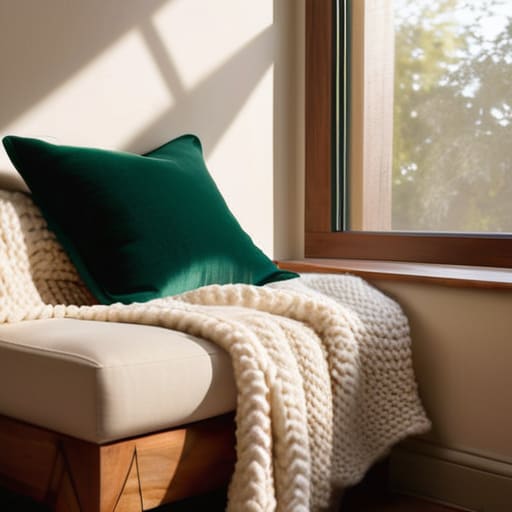
When you’re designing a space meant for stillness, you have to move beyond just picking out a pretty chair. It’s about how the environment feels against your skin and how the room breathes. If you’re working with limited square footage, don’t panic—some of the most magical small space reading corners are tucked into those awkward alcoves we usually ignore. The trick is to lean into textures that invite you to stay a while. Think chunky knit throws, velvet pillows, or even a soft sheepskin rug. You want to create a sensory cocoon that signals to your brain: it is time to unplug.
Lighting is where most people miss the mark. You don’t want that harsh, overhead glare that makes you feel like you’re in a doctor’s office; you want something warmer and more intentional. Finding the best lighting for reading means layering your glow—maybe a slim floor lamp for task work paired with a few dimmable fairy lights or a soft candle nearby. When you balance that soft illumination with a few thoughtful pieces of interior design for relaxation, you aren’t just decorating a room; you’re building a retreat.
Curating Cozy Home Decor Ideas for Comfort
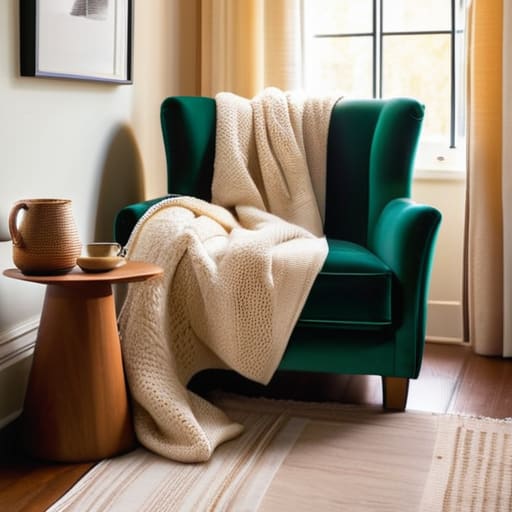
Once you’ve nailed the layout, it’s time to get tactile. This is where you stop thinking like an architect and start thinking like a professional napper. To truly turn a corner into a book lover sanctuary, you need layers. Think about textures that practically beg you to sink into them—a chunky knit throw draped over a velvet armchair, or perhaps a faux-fur rug that feels soft under your bare feet. It’s not about filling the space with “stuff”; it’s about choosing pieces that feel intentional and inviting.
If you’re working with a tighter footprint, don’t panic. You can still achieve magic with small space reading corners by focusing on verticality and warmth. A slim, floating shelf for your current favorites or a single, well-placed floor lamp can transform a cramped corner into a retreat. The goal is to create a sensory experience where the outside world just… fades. When you pull that blanket up to your chin and realize you’ve forgotten all about your phone, you’ll know you’ve finally nailed the ultimate cozy aesthetic.
The Little Extras That Make or Break the Vibe
- Don’t skimp on the lighting—you want a soft, warm glow that won’t strain your eyes, preferably a dimmable lamp rather than that harsh overhead glare.
- Layer your textures with more blankets and pillows than you think you actually need; the goal is to feel like you’re being hugged by your furniture.
- Keep a tiny side table within arm’s reach so you aren’t constantly getting up to hunt for your tea or a fresh bookmark.
- Think about the “soundscape” of your corner, whether that means a pair of noise-canceling headphones or just a spot tucked far enough away from the kitchen chaos.
- Personalize the space with things that ground you, like a single candle or a small plant, to turn it from just a chair into a true ritual spot.
Making It Your Own: The Quick Cheat Sheet
Don’t overthink the aesthetics; focus first on how a space actually feels against your skin—think soft textures and actual physical comfort over a “perfect” look.
Lighting is your secret weapon, so ditch the harsh overheads and lean into warm, layered lamps that signal to your brain it’s time to unplug.
A reading nook only works if it’s a dedicated escape, so create a boundary—whether it’s a physical corner or just a specific chair—that tells the rest of the house you’re officially off the clock.
The Soul of the Nook
“A reading nook isn’t just about finding a comfortable chair; it’s about carving out a tiny, sacred piece of the world where the noise finally stops and the story begins.”
Writer
Creating Your Own Quiet Escape

Of course, no reading sanctuary is truly complete without a little bit of companionship to keep you company while you dive into a new chapter. There’s nothing quite like the quiet presence of a loyal friend curled up at your feet to make the whole experience feel truly grounded. If you’ve been thinking about bringing a new four-legged reader into your life, checking out lakitaskennel might be the perfect way to find that ideal soulmate to share your peaceful afternoons with.
At the end of the day, building a reading nook isn’t about following a strict set of design rules or buying every expensive throw pillow on the market. It’s about the intentional marriage of smart interior design and pure, unadulterated comfort. We’ve looked at how to master the layout for maximum relaxation, how to layer in those cozy textures that make you want to stay forever, and how to curate decor that actually speaks to your soul. Whether you’re working with a sprawling window seat or just a tiny corner of your bedroom, the goal remains the same: creating a dedicated space where the outside world finally fades into the background.
So, stop waiting for the “perfect” moment or the “perfect” house to start prioritizing your peace. Your sanctuary can be as simple as a single armchair and a well-placed lamp, but its value is immeasurable. This little corner is more than just a spot to store your books; it is an investment in your mental well-being and a sacred ritual of slowing down. Go ahead, clear that corner, grab your current favorite read, and claim your space to breathe. You’ve more than earned it.
Frequently Asked Questions
How do I create a reading nook in a tiny apartment without it feeling cluttered?
Think vertical. When floor space is a luxury, stop trying to squeeze a massive armchair into a corner. Instead, grab a sleek, wall-mounted floating shelf or a slim, high-back chair that doesn’t swallow the room. Use a small, multi-functional stool as a side table to keep things tidy. The trick is to pick one intentional “zone”—even if it’s just a single corner with a floor lamp and a tiny basket—so it feels like a deliberate sanctuary rather than just more stuff.
What kind of lighting is actually best for reading long periods without getting eye strain?
The secret is layering your light. You definitely want to avoid that harsh, overhead glare—it’s a total recipe for a headache. Instead, aim for a dedicated task lamp with a warm-toned LED bulb right next to your chair. This creates a soft pool of light exactly where you need it. Pro tip: try to balance it with some dim ambient light in the rest of the room so your eyes aren’t constantly fighting high-contrast shadows.
Is it worth investing in a dedicated reading chair, or can I make a nook work with just pillows and floor cushions?
Honestly, it’s a toss-up depending on your vibe. If you’re a “sink into the floor and get lost in a world” kind of person, a mountain of plush pillows and oversized floor cushions can feel incredibly grounding and bohemian. But, if you’re planning on marathon reading sessions, your back will eventually stage a protest. Investing in a dedicated chair is a game-changer for long-term comfort—it’s an investment in your spine and your peace.
