I used to think that building a pollinator friendly garden required a massive budget, a degree in botany, and a backyard the size of a football field. I spent way too many weekends staring at expensive, plastic-wrapped nursery trays, feeling like I was failing because my yard didn’t look like a manicured botanical garden. But here’s the truth that the big-box stores won’t tell you: nature doesn’t care about your aesthetic perfection or your heavy wallet. It just wants a place to belong.
I’m not here to sell you on some complicated, high-maintenance landscaping scheme that will leave you exhausted and broke. Instead, I’m going to share the exact, down-to-earth methods I’ve used to turn my own patch of dirt into a buzzing, living sanctuary. We are going to skip the fluff and focus on real-world results—the kind of stuff that actually works when you stop overthinking it. By the time we’re done, you’ll know how to build a space that feels effortlessly alive without losing your mind in the process.
Table of Contents
Mastering Essential Pollinator Garden Design Principles
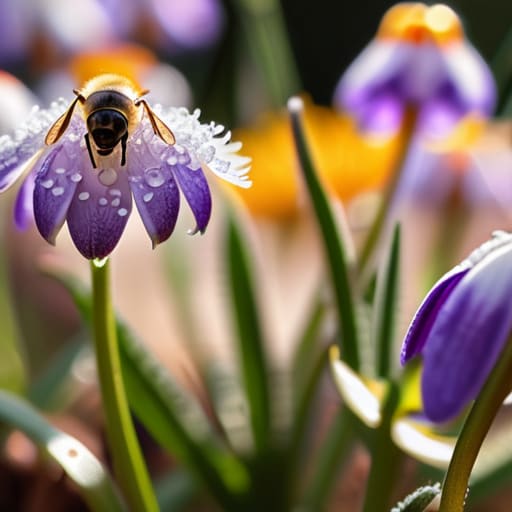
Designing a space that actually works for nature isn’t just about throwing a handful of seeds into the dirt and hoping for the best. It’s about understanding seasonal bloom cycles to ensure there’s a steady food supply from the first thaw of spring until the final frost of autumn. If your garden only pops in June, your local bees are going to go hungry by August. You want to layer your plantings—think early spring bulbs, mid-summer perennials, and late-season asters—to create a reliable, non-stop buffet.
Beyond just the food, you need to think about the architecture of the space itself. A truly successful layout provides more than just nectar; it offers a genuine habitat for beneficial insects by including varied textures and nesting sites. This might mean leaving a patch of bare soil for ground-nesting bees or tucking some dried stalks into a corner for overwintering larvae. By embracing these core pollinator garden design principles, you aren’t just decorating a yard; you are building a functional, living ecosystem that breathes alongside the local wildlife.
Wildflower Meadow Establishment for Lasting Impact
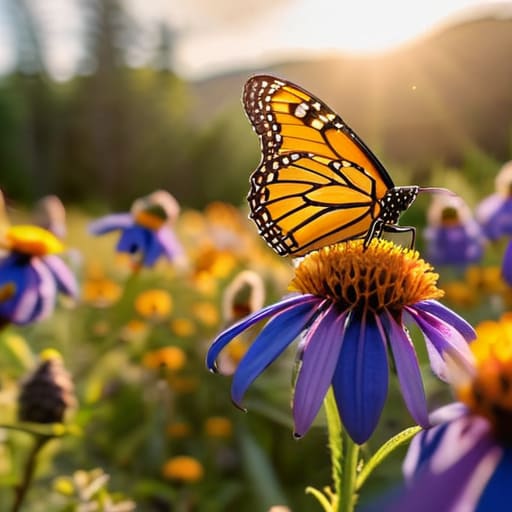
If you’re tired of the constant upkeep that comes with traditional flower beds, shifting toward wildflower meadow establishment might be your best move. Instead of manicured lawns that offer nothing to the local ecosystem, a meadow acts as a sprawling, multi-layered buffet. The secret to success here isn’t just throwing seeds on the ground and hoping for the best; it’s about selecting a diverse mix that accounts for seasonal bloom cycles. You want a landscape that provides nectar from the first thaw of spring all the way through the frosty edges of autumn, ensuring your tiny winged visitors never go hungry.
Once the seeds take hold, your main job is essentially to get out of the way. A meadow thrives on a bit of organized chaos, providing much-needed cover and a stable habitat for beneficial insects to complete their life cycles. This is also the perfect time to commit to avoiding pesticides in gardens, as even a single spray can undo months of hard work by wiping out the very creatures you’re trying to invite in. By letting nature take the driver’s seat, you create a self-sustaining sanctuary that grows more resilient every single year.
Small Tweaks for Big Impact
- Ditch the pesticides and embrace a little mess; your local bees would much rather have a few aphids to snack on than a chemically treated yard.
- Think beyond the spring bloom by layering plants that flower at different times, ensuring there’s a steady buffet from early spring through late autumn.
- Leave the leaves and the fallen branches alone—those “cluttered” corners are actually prime real estate for overwintering solitary bees and butterflies.
- Add a shallow water station with some pebbles or marbles; pollinators need a drink, but they need a safe landing pad so they don’t drown.
- Prioritize native plants over flashy hybrids, because local insects have spent thousands of years evolving specifically to eat and pollinate the plants that actually belong here.
Quick Wins for Your Pollinator Sanctuary
Think beyond just “pretty flowers”—focus on a continuous buffet of nectar and pollen from early spring through late autumn to keep your local insects fed all season long.
Embrace a little bit of chaos; leaving some patches of native grasses and undisturbed soil provides the essential nesting sites that many solitary bees desperately need.
Prioritize native plants over flashy hybrids, as local pollinators have evolved alongside specific native species and often can’t use the “fancy” garden center varieties.
## The Heart of the Garden
“A pollinator garden isn’t just a collection of pretty plants; it’s a living, breathing conversation between you and the wild, where every bloom is an invitation for life to return to your doorstep.”
Writer
Bringing the Buzz Home
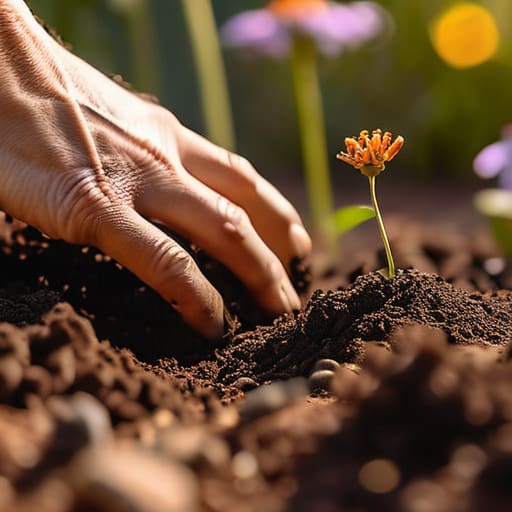
While you’re busy sourcing seeds and prepping the soil, don’t forget to take a moment to check in with yourself; tending to a garden is as much about cultivating your own peace as it is about the plants. I’ve found that finding a sense of universal happiness often starts with these small, grounding connections to the earth, so try to embrace the process rather than just rushing toward the final bloom.
At the end of the day, building a pollinator sanctuary isn’t about achieving some unattainable level of botanical perfection. It’s about the small, intentional choices you make—from choosing the right design principles to the patience required to let a wildflower meadow truly take root. By prioritizing native species and embracing a bit of “organized chaos” in your landscape, you are doing much more than just decorating a yard; you are actively rebuilding a broken ecosystem. Remember, every nectar-rich bloom and every patch of bare soil serves a purpose in the grander scheme of supporting our local bees, butterflies, and birds.
As you step outside to begin this journey, try to view your garden not as a chore to be managed, but as a living, breathing partnership with nature. There will be seasons of growth and seasons of dormancy, but the reward is a front-row seat to the incredible cycle of life unfolding right on your doorstep. You have the power to turn a simple patch of grass into a vital corridor of life. So, grab your trowel, get your hands a little dirty, and start creating a space where nature can finally find its way home.
Frequently Asked Questions
How much maintenance does a wildflower meadow actually require once it's established?
Once that meadow has taken hold, the heavy lifting is mostly behind you. You won’t be out there weeding every weekend like you would with a traditional garden. The real “maintenance” is really just a single annual ritual: the late-season mow. Once a year, usually in late autumn or early spring, you’ll cut it down and clear away the debris. That’s it. Just let nature do its thing and enjoy the view.
Can I still have a pollinator garden if I have a very small balcony or limited yard space?
Absolutely. Don’t let a lack of acreage stop you—nature doesn’t need a sprawling estate to thrive, it just needs a landing pad. If you’re working with a tiny balcony, think vertical. Hanging baskets, railing planters, or a compact tiered herb garden can become a high-rise oasis for bees and butterflies. Even a few well-placed pots of lavender or marigolds on a fire escape can make a massive difference in your local ecosystem.
Which specific plants should I avoid to make sure I'm not accidentally harming local bee populations?
The biggest mistake is accidentally inviting “empty calories” into your yard. Steer clear of highly bred, double-flowered cultivars—those pom-pom looking roses or dahlias often have so many petals that bees can’t even reach the nectar. Also, avoid invasive species that look pretty but outcompete our local flora. If a plant isn’t native to our neck of the woods, it’s likely not providing the specific nutritional fuel our local bees actually need to survive.
