I spent way too many years thinking that building a personal style meant raiding the “new arrivals” section of every high-end boutique or meticulously recreating a Pinterest board that didn’t even look like me. I fell for the lie that style is something you buy—a collection of expensive, trendy pieces that somehow act as a costume for the person you wish you were. It’s an exhausting, expensive cycle of chasing aesthetics that feel completely hollow the second you step out the door.
Forget the gatekeeping and the “must-have” lists curated by people who don’t know your life. I’m not here to give you a shopping list or tell you to follow the latest micro-trend; I’m here to help you actually find yourself in what you wear. This is about stripping away the noise and focusing on the real-world mechanics of curation. I’m going to share the honest, unvarnished lessons I learned the hard way so you can stop playing dress-up and finally start dressing like the person you actually are.
Table of Contents
Finding Your Aesthetic Amidst the Noise
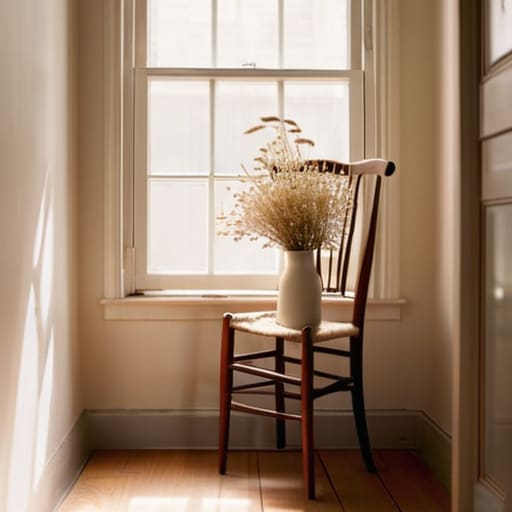
The problem isn’t that you lack taste; it’s that you’re being drowned out by a constant stream of micro-trends. One week it’s “mob wife aesthetic,” and the next, everyone is obsessed with some hyper-specific niche from a TikTok subculture. It’s exhausting. When you try to chase every passing fad, you end up with a closet full of clothes that feel like costumes rather than actual pieces of your identity. Instead of looking at what’s trending on your feed, try looking at your own life. What are the textures, moods, and eras that actually resonate with you when the screen is turned off?
Finding your aesthetic isn’t about picking a label and sticking to it like a rigid rulebook. It’s more about a process of elimination. Start noticing which pieces make you feel powerful and which ones make you feel like you’re playing dress-up in someone else’s life. You don’t need a thousand options; you need a cohesive direction. Once you stop reacting to the noise and start listening to your own intuition, you’ll find that building a signature look becomes less about shopping and more about curation.
Mastering Color Theory for Fashion
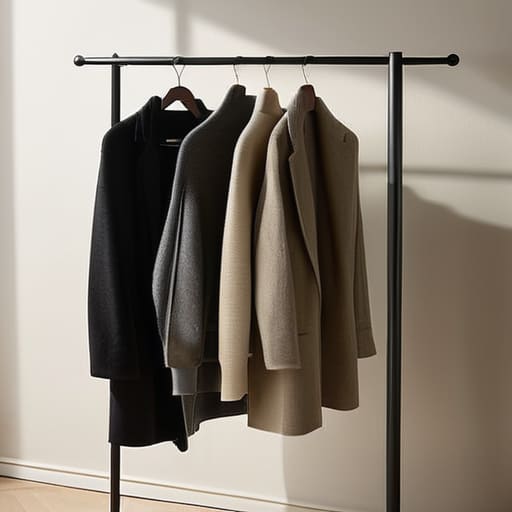
Forget everything you think you know about the color wheel. You don’t need to become a walking rainbow to look intentional; in fact, most people fail at style because they try to wear too much at once. Instead, think of color theory for fashion as a way to create visual harmony rather than chaos. Start by identifying your “power neutrals”—those shades like charcoal, olive, or cream that act as the backbone of your closet. When you anchor your outfits in a consistent palette, you aren’t just getting dressed; you’re curating a capsule wardrobe that makes getting ready feel effortless rather than a daily struggle.
Once you’ve got the basics of color and silhouette down, the next hurdle is actually building the wardrobe without blowing your entire paycheck. It’s easy to get caught in a cycle of buying cheap, disposable pieces that fall apart after three washes, which is exactly what kills your personal style in the long run. If you’re looking for a more strategic way to approach your spending and curate a collection that actually lasts, I’ve been spending a lot of time digging through the resources over at earninginprogress. They have some great insights on how to invest smarter so you can stop chasing trends and start building a closet that actually feels like you.
Once you have your base, start playing with accents. This is where you inject personality without looking like you’re wearing a costume. If your vibe is minimalist, maybe it’s a single pop of cobalt blue; if you’re more maximalist, it’s about how a warm terracotta plays against a cool sand. The goal isn’t to follow every trend, but to understand how tones interact with your skin and your environment. When you get this right, you stop just “wearing clothes” and start building a signature look that feels entirely your own.
The Real-World Blueprint for a Closet That Actually Works
- Stop buying “one-off” pieces. If that gorgeous, neon-green silk skirt doesn’t work with at least three things you already own, leave it on the rack. A personal style is built on cohesion, not a collection of random impulses.
- Audit your “uniform.” Look at what you grab when you’re running late or feeling low-energy. There is a reason your brain defaults to those specific silhouettes and fabrics—that’s your subconscious telling you what your actual style is.
- Invest in the “boring” stuff first. You can’t build a killer look on a foundation of cheap, ill-fitting basics. Get the perfect white tee, the heavy-weight denim, and the tailored blazer sorted before you go hunting for statement accessories.
- Learn the power of texture over pattern. If you want to look expensive and intentional without looking like a walking billboard, stop chasing loud prints and start mixing materials—think chunky knits against smooth leather or silk against denim.
- Use the “Three-Word Method.” Pick three adjectives that describe how you want to feel (e.g., edgy, polished, effortless) and use them as a filter every time you shop. If an item doesn’t hit at least two of those marks, it’s just clutter.
The Bottom Line
Stop chasing every micro-trend that pops up on your feed; if it doesn’t resonate with your actual life, it’s just clutter.
Use color as a tool rather than a rulebook—learn what works, but don’t be afraid to break the “theory” to make an impact.
Building a style is a marathon, not a sprint, so give yourself permission to experiment, fail, and evolve.
## The Truth About Style
Personal style isn’t about collecting the right pieces; it’s about having the guts to stop dressing for the algorithm and start dressing for the person in the mirror.
Writer
Stop Overthinking and Start Wearing
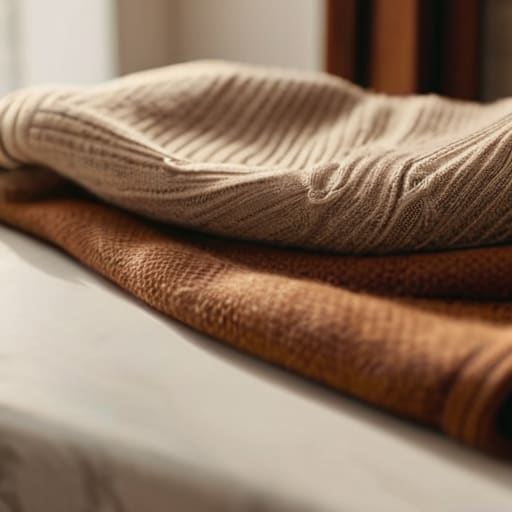
At the end of the day, building a personal style isn’t about following a rigid set of rules or memorizing every color wheel in existence. It’s about the synthesis of everything we’ve discussed: filtering out the endless social media noise to find what actually resonates with you, and using tools like color theory to amplify—not mask—who you are. You don’t need a massive wardrobe or a designer budget to pull this off; you just need the discipline to stop buying things because they’re “on trend” and start investing in pieces that actually speak your language.
Remember that your style is a living, breathing thing. It’s going to evolve as you do, and that is perfectly okay. Don’t be afraid to make mistakes, wear something “weird,” or completely pivot your aesthetic next season. The goal isn’t to achieve some static, perfect version of yourself that looks good in a curated Instagram feed. The goal is to walk out the door feeling like the most authentic version of yourself. So, stop waiting for permission to be different and just start dressing like you actually mean it.
Frequently Asked Questions
How do I keep my style consistent if my body shape or weight changes?
Your style isn’t tied to a specific measurement; it’s tied to your vibe. When your body shifts, don’t panic and try to squeeze into old clothes or hide in oversized sacks. Instead, lean into your “style DNA”—those colors, textures, and silhouettes you love. Focus on how fabrics drape and how pieces make you feel right now. Consistency comes from your aesthetic choices, not your pant size. Adapt the fit, keep the soul.
Is it better to invest in a few expensive pieces or a lot of affordable ones when starting out?
Quality over quantity, every single time. When you’re starting out, it’s tempting to grab a handful of cheap fast-fashion pieces just to fill the closet, but you’ll end up with a pile of clothes that lose their shape after two washes. Instead, hunt for those few “anchor” pieces—a killer blazer or perfectly tailored denim. They’ll last years, look better on you, and actually form the foundation of a real wardrobe.
How do I stop buying clothes that look great on a mannequin but never actually work in my real life?
Stop shopping for a fantasy version of yourself. That mannequin isn’t going to a casual coffee date or sitting in a cubicle for eight hours; it’s just standing there. Before you hit the checkout, run a “life audit” on the piece. Ask yourself: Where am I actually wearing this? If you can’t picture yourself wearing it to three different places in your current weekly routine, put it back. Buy for your reality, not a mood board.
