I’m going to say something that might make the “plant influencers” on Instagram cringe: stop buying those overpriced, designer ceramic pots and fancy “specialty” soil blends that promise the world. Most of the advice you see online about succulent gardening is just a way to sell you more stuff you don’t actually need. I spent years thinking I needed a PhD in botany and a massive budget just to keep a single Echeveria from turning into a pile of mush, only to realize that the most expensive gear is often the fastest way to kill them.
I’m not here to give you a lecture or a list of scientific Latin names that you’ll forget in five minutes. Instead, I’m going to give you the unfiltered truth based on everything I’ve learned from my own graveyard of failed plants. We’re going to cut through the fluff and focus on the few, essential habits that actually work. By the time we’re done, you’ll have a no-nonsense roadmap to growing plants that actually thrive, without breaking your bank account or your spirit.
Table of Contents
Why Drought Tolerant Plants Are Your Best Friends
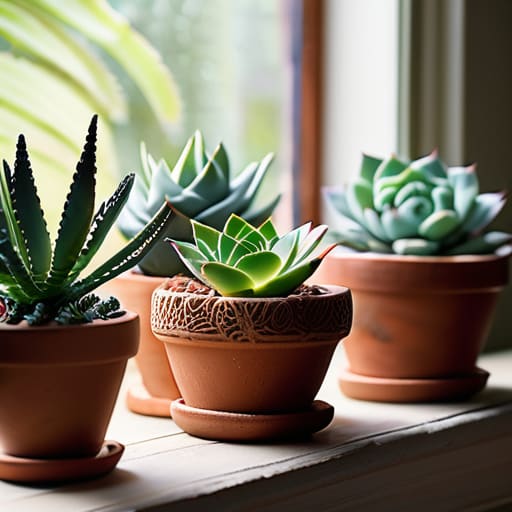
Let’s be real: most of us have a “black thumb” tendency to overcompensate with the watering can the second a plant looks a little sad. That’s exactly why drought tolerant plants are absolute lifesavers for anyone with a busy schedule or a habit of accidental drowning. These little guys have evolved to store water in their fleshy leaves, meaning they aren’t going to throw a tantrum if you forget about them for a week or two while you’re out living your life.
Instead of constantly hovering and worrying, you can actually step back and let them do their thing. The beauty of these species is that they thrive on a bit of neglect. As long as you start them off in a high-quality well-draining cactus mix, you’ve already won half the battle. It shifts the relationship from “constant maintenance” to “occasional check-in,” which is much more sustainable for a hobbyist who wants greenery without the high-stakes drama of a finicky tropical fern.
The Secret to a Perfect Well Draining Cactus Mix
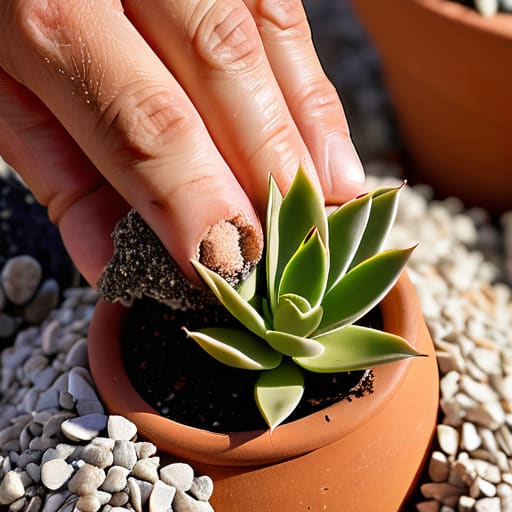
Look, if you’re still using standard, heavy potting soil from the garden center, please stop. I learned that the hard way when my entire collection turned into mush within a week. Most store-bought dirt holds onto moisture like a sponge, which is basically a death sentence for these guys. To get a truly well-draining cactus mix, you need to ditch the heavy peat and lean heavily into grit. I’m talking coarse sand, perlite, or even pumice. You want a texture that feels crunchy and loose, not soft and damp.
The goal is to create a medium where water rushes through almost immediately. When you follow a strict succulent watering schedule, you want that moisture to disappear from the surface quickly so the roots can actually breathe. If the soil stays soggy, you’re just inviting root rot to the party. If you’re feeling adventurous, try mixing in some crushed volcanic rock or fine gravel; it adds that essential aeration that keeps your plants happy and prevents them from sitting in a swampy mess.
5 Ways to Stop Being a Plant Serial Killer
- Stop the “scheduled” watering. Plants don’t follow a calendar, and neither should you. Stick your finger an inch into the soil; if it feels even slightly damp, walk away. If you water on a strict Monday-Wednesday-Friday schedule, you’re basically asking for root rot.
- Light is everything, but don’t go from zero to sixty. If you move a plant from a dark corner directly into scorching afternoon sun, it’s going to get a sunburn just like you would. Ease them into the brightness over a week so they can adjust.
- Pots with holes are non-negotiable. I see people buying these gorgeous, expensive ceramic bowls that have zero drainage at the bottom. It looks great until the water pools at the base and turns your succulent into mush. Get the holes or don’t bother.
- Don’t be afraid to prune. If your succulent is getting “leggy”—that weird, stretched-out look where it’s mostly stem and very little leaf—it’s starving for light. Snip off the top, propagate it, and start a new one. It’s not destruction; it’s a makeover.
- Watch out for the “hidden” humidity. If you keep your succulents in a steamy bathroom or right next to a humidifier, they’ll struggle. They like it dry and breezy, not a tropical rainforest vibe.
The Cheat Sheet for Succulent Success
Stop treating your succulents like tropical ferns; they crave neglect, intense light, and soil that feels more like gravel than dirt.
If you can’t squeeze water out of your potting mix easily, it’s too heavy—fix it with extra grit or you’re just asking for root rot.
When in doubt, wait another week before watering; it’s much easier to revive a thirsty plant than one that’s been drowned.
The Hard Truth About Green Thumbs
“Succulent gardening isn’t about being a ‘plant whisperer’; it’s mostly about learning when to actually leave the damn things alone.”
Writer
Ready to Get Your Hands Dirty?
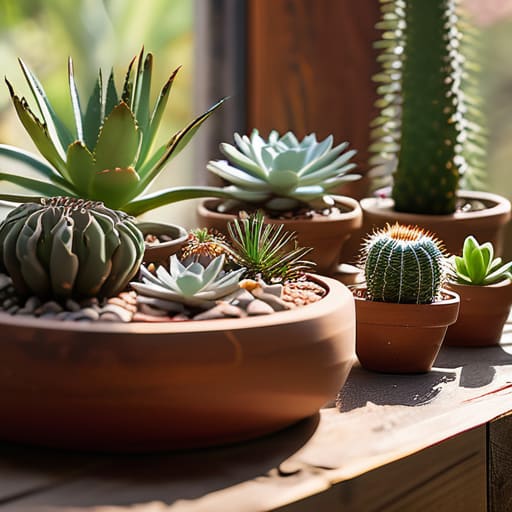
Now, once you’ve got your soil dialed in, you’re going to realize that the biggest mistake most people make is treating every single plant like it has the exact same needs. A tiny Echeveria is going to crave different things than a massive, established Aloe, and trying to use a “one size fits all” approach is a fast track to root rot. If you’re feeling a bit overwhelmed by all the different species out there, I’ve found that checking out the guides over at thinkinkstudios is a total lifesaver for figuring out those specific nuances. It really helps to have a solid game plan before you go out and buy a whole bunch of new babies that you might not be ready to care for yet.
Look, if you take nothing else away from this, just remember the golden rule: stop babying them. Succulents aren’t like your fussy ferns; they actually want a bit of neglect. Between choosing the right drought-tolerant species and mastering that perfectly gritty, well-draining soil mix, you’ve already bypassed the biggest hurdles that kill most beginners. It really comes down to two things: giving them plenty of light and having the discipline to keep your watering can far away until the soil is bone-dry. If you can nail those basics, you’re basically set for success.
At the end of the day, gardening shouldn’t feel like a high-stakes science experiment or a chore that drains your energy. It’s supposed to be your little slice of zen. There is something incredibly rewarding about watching a tiny, dusty pup transform into a lush, vibrant plant right before your eyes. So, go ahead and grab a pot, find a sunny windowsill, and start your collection. Don’t worry about being perfect right out of the gate; even the best gardeners have a few casualties along the way. Just keep growing and enjoy the process!
Frequently Asked Questions
How often should I actually be watering them if I'm not following a strict schedule?
Forget the calendar. If you’re watering on a strict “every Tuesday” schedule, you’re probably killing them. Instead, use the finger test. Stick your finger an inch or two into the soil; if you feel even a hint of moisture, walk away. If it’s bone-dry and dusty, give them a good soak until water runs out the bottom. Basically, wait for the plant to tell you it’s thirsty, not the clock.
Can I grow succulents indoors, or do they absolutely need to be outside?
You can absolutely grow them indoors, but let’s be real: it’s a different ballgame. Outside, they get free, intense sunlight and natural airflow. Inside, you’re playing god. If you tuck them in a dark corner far from a window, they’ll stretch out and look pathetic. To make it work, you need a bright windowsill—ideally south-facing—and a fan if your place feels stuffy. Just don’t treat them like typical houseplants!
What are the biggest red flags that my succulent is about to die?
## The “Oh No” Signs: How to Spot a Succulent Death Spiral
