I still remember the absolute chaos of my first studio apartment, where I was essentially tripping over a dining table just to reach my bed. I spent a fortune on what the catalogs called “innovative solutions,” only to realize that most multipurpose furniture on the market is actually just overpriced, clunky junk that breaks the moment you try to fold it. It’s incredibly frustrating how the industry tries to sell you “smart living” when they’re really just selling you a headache wrapped in cheap particle board.
I’m not here to pitch you some glossy, unattainable lifestyle dream or tell you that a folding desk will magically fix your life. Instead, I’m going to give you the straight truth about what actually works when you’re fighting for every square inch of floor space. We’re going to look at the pieces that actually hold up to daily wear and tear and, more importantly, the ones you should absolutely avoid at all costs. Let’s get into the real-world stuff that makes small-space living actually feel livable.
Table of Contents
- Mastering Apartment Living Hacks With Transformable Home Decor
- Unlocking Hidden Storage Solutions for a Clutter Free Life
- Five Ways to Make Your Furniture Work Double Time
- The Bottom Line: Making Your Space Work for You
- The Golden Rule of Small Spaces
- Making Your Space Work for You
- Frequently Asked Questions
Mastering Apartment Living Hacks With Transformable Home Decor
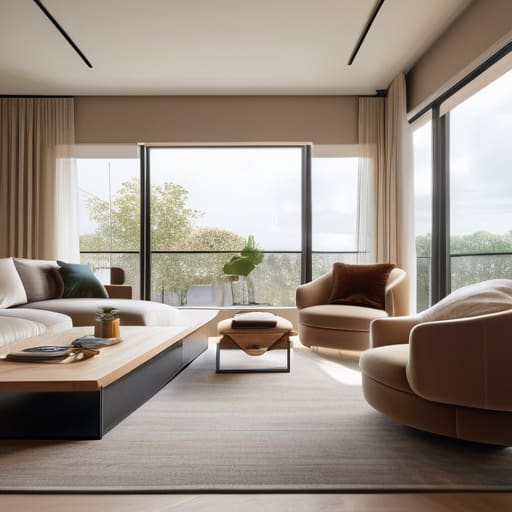
Let’s be real: living in an apartment often feels like a constant battle against your own square footage. You want a cozy reading nook, but suddenly your dining area is swallowed by a massive armchair. This is where mastering transformable home decor changes the game. Instead of fighting your layout, you need pieces that pivot when you do. Think about a coffee table that lifts up to become a full-sized desk for your WFH days, or a sleek ottoman that doubles as extra seating when friends drop by.
The secret to making this work without your place looking like a cluttered showroom is focusing on versatility over sheer size. I’m a huge fan of nesting tables for small rooms because they offer that much-needed surface area for a dinner party but tuck away neatly into a tiny corner once the guests leave. It’s all about choosing items that serve a purpose in the moment but don’t demand permanent territory. When your decor can adapt to your mood and your schedule, you stop feeling cramped and start actually enjoying your space.
Unlocking Hidden Storage Solutions for a Clutter Free Life
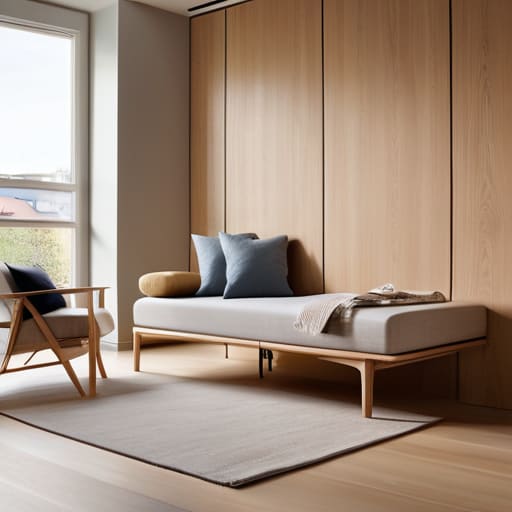
If you’re feeling a bit overwhelmed by all the different options out there, honestly, don’t try to DIY your entire floor plan from scratch. I’ve found that it’s much easier to lean on professional inspiration to see how different pieces actually play together in a real room. If you want to see some seriously clever layouts that make small spaces look intentional rather than cramped, definitely check out andresign; it’s been a huge help for me when I’m trying to figure out if a specific piece of furniture is actually going to fit my vibe or just end up being another thing to trip over.
Let’s be real: the biggest enemy of a tiny home isn’t the lack of square footage; it’s the stuff we accumulate. We all have that one “junk corner” or a closet that’s basically a black hole. The trick to reclaiming your sanity is finding hidden storage solutions that don’t scream “storage bin.” Instead of buying bulky plastic tubs that clutter your floor, look for pieces that work double duty. Think about an ottoman that doubles as a coffee table but opens up to swallow your extra blankets, or a bed frame with built-in drawers. When your furniture handles the heavy lifting, your surfaces stay clear and your mind stays calm.
If you’re looking for more subtle ways to tuck things away, nesting tables for small rooms are an absolute game-changer. You can pull them out when guests arrive and tuck them back into a single footprint the moment they leave. It’s all about utilizing the vertical space and the “dead zones” in your layout. By integrating these clever elements into your decor, you aren’t just organizing; you’re actually expanding your living area without moving a single wall.
Five Ways to Make Your Furniture Work Double Time
- Look for coffee tables with built-in drawers or lift-top mechanisms. They aren’t just for resting your mug; they’re perfect for hiding remote controls, chargers, or even a laptop when you need to clear the space for dinner.
- Don’t sleep on the power of an ottoman. A good one doubles as extra seating for guests, a footrest for movie night, or even a makeshift side table if you toss a small tray on top.
- Swap out your traditional desk for a console table that can transform. When you’re in “work mode,” it’s your command center, but when the laptop shuts, it tucks neatly against the wall to save your floor space.
- Invest in bed frames with integrated storage underneath. It’s the ultimate way to reclaim that “dead space” under your mattress for seasonal clothes or extra linens without needing a bulky dresser.
- Think vertically with nesting tables. They give you a massive surface area when you’re hosting a crowd, but they tuck away into a single footprint the second the party is over.
The Bottom Line: Making Your Space Work for You
Stop thinking about furniture as static objects and start looking for pieces that pull double duty, like ottomans with storage or desks that fold away.
Small spaces don’t have to feel cramped; the secret is utilizing vertical real estate and hidden compartments to keep the floor clear.
Investing in transformable decor isn’t just about saving space—it’s about reclaiming your sanity by making a tiny home feel functional rather than restrictive.
The Golden Rule of Small Spaces
“At the end of the day, your furniture shouldn’t just sit there taking up space; it should be working as hard as you do to make your home actually functional.”
Writer
Making Your Space Work for You
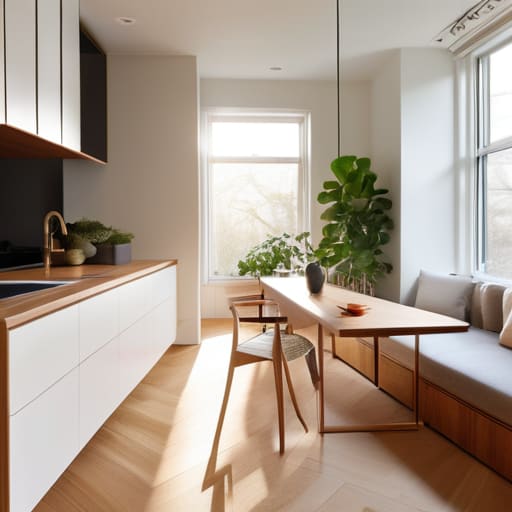
At the end of the day, living in a smaller footprint doesn’t mean you have to compromise on your lifestyle or your style. We’ve looked at how transformable decor can turn a cramped studio into a versatile sanctuary and how clever, hidden storage can finally banish the chaos that usually comes with tiny living. It really comes down to being intentional with every single piece you bring through your front door. By choosing items that pull double duty, you aren’t just buying furniture; you are investing in your own sanity and reclaiming the square footage you deserve.
Don’t let the walls of your apartment dictate how big your life feels. Whether you’re nesting in a tiny urban loft or just trying to reclaim a corner of a busy family home, the goal is to create a space that breathes. When your environment is organized and adaptable, you stop fighting against your surroundings and start actually enjoying the flow of your daily routine. So, go ahead and start swapping out those bulky, single-use pieces for something smarter. You’ll be surprised at how much room you actually have to grow when your furniture is finally playing on your team.
Frequently Asked Questions
Is multipurpose furniture actually durable enough for daily use, or will it break after a few months of transforming?
Honestly, it’s a valid concern. If you’re buying cheap, “disposable” pieces from big-box retailers, yeah, they might start creaking or wobbling after a few months of constant folding and unfolding. But if you invest in pieces with solid wood frames or reinforced steel hinges, they can easily handle daily transformations for years. Think of it like buying a good pair of boots versus fast fashion—the durability really comes down to the build quality.
How do I figure out which pieces are worth the investment and which ones are just unnecessary gimmicks?
Look, don’t get blinded by the shiny catalog photos. To separate the gems from the junk, ask yourself one question: “Will this solve a specific problem I face every single day?” If a nesting table is just sitting there looking cute but not actually saving you floor space, skip it. Invest in the heavy hitters—the stuff that actually changes how you move through your room—and ignore the “clever” gadgets that just add more clutter.
Can I actually pull off this look in a room that's already pretty crowded, or will it just make things feel more chaotic?
Honestly, that’s the biggest fear, right? But here’s the secret: it’s actually the opposite. If you try to cram standard, bulky furniture into a crowded room, you’re just creating more visual noise and “dead zones.” Multipurpose pieces actually act like a reset button. By swapping three random items for one smart, multifunctional piece, you’re cutting down the physical clutter, which instantly lowers the chaos and lets the room actually breathe.
